Be yourself; Everyone else is already taken.
— Oscar Wilde.
This is the first post on my new blog. I’m just getting this new blog going, so stay tuned for more. Subscribe below to get notified when I post new updates.
Be yourself; Everyone else is already taken.
— Oscar Wilde.
This is the first post on my new blog. I’m just getting this new blog going, so stay tuned for more. Subscribe below to get notified when I post new updates.
Research efforts and their subsequent impact on the development of drugs with monoclonal antibodies, such as Omalizumab or Xolair, have led to significant promise for those suffering from autoimmune and other potentially life-threatening illnesses. Monoclonal antibodies are produced in a lab by scientists using mice to derive a specific class of antibody from clones of B cells. Unlike polyclonal antibodies that are naturally produced during the immune response, monoclonal antibodies contain the same variable and constant regions, resulting in greater specificity of the the immune response to foreign epitopes. One article suggests that 79 mAbs had been approved by the FDA at the end of 2019, which speaks to the continuous advancements in technology and healthcare in the United States. Current developments are still underway for patients suffering from asthma that could benefit from drugs containing monoclonal antibodies however, Xolair approved in 2003, is arguably the first and finest created.
It is known that asthma attacks can result from allergens binding to immune cells, such as mast cells and basophils, leading to an inflammatory response in an effort to eliminate foreign invaders. As suggested by MedNet, Xolair helps to combat inflammation associated with the acquired immune response, that often leads to asthma attacks. It does so inhibiting IgE antibodies from binding to surface receptors on immune cells, which prevents the release of inflammatory mediators. The symptoms of asthma attacks, such as shortness of breath and wheezing, are attributable to the inflammatory response observed in asthmatic patients. Although children are most affected by this chronic disease as indicated by the World Health Organization, Xolair seems to provide hope for those that suffer from hypersensitivities.
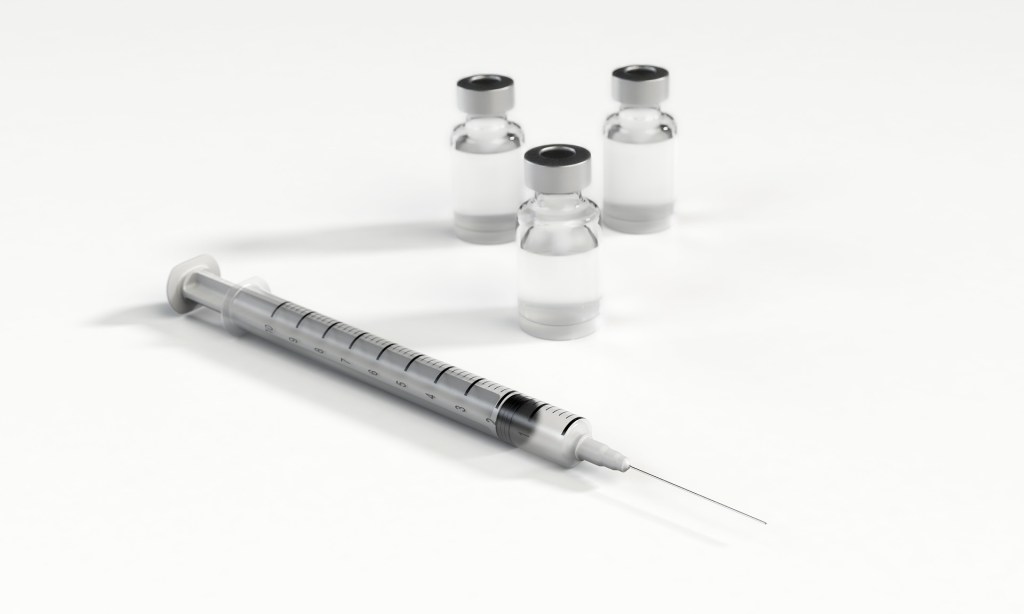
Despite its benefits, common side effects of Xolair include:
In relation to the complication that Xolair is supposed to resolve, this drug can also cause anaphylaxis within a wide range of time after receiving the injection. Symptoms of anaphylaxis include:
At this time, Xolair is not known to increase susceptibility to other diseases or infections. Its positive implications in preventing/controlling asthma attacks has allowed people to live more full lives without the fear of an attack. The promise that monoclonal antibody drugs have shown are only a slight glimpse into the future. I am optimistic that continued research efforts will enable the development of more effective treatment options for patients suffering from autoimmune diseases and life-threatening illnesses in the near future.
The Covid-19 pandemic has brought an end to many school year’s, many sporting events, many travel plans, many leisurely activities, and even more lives. In recent months, researchers and health professionals have had the overwhelming task of discovering an end to THE end; an end that would restore some sort of normalcy in daily life. While there have been several plausible solutions proposed to treat infected patients, the escalating threat to healthy individuals as we await the development of a vaccine has placed an increasing demand on the development of a reliable curative treatment. Recent research efforts that have investigated the antibody response to Covid-19 have been a source of optimism for some as the possibility of using convalescent plasma to treat infected patients is being examined by the FDA. The examination of this treatment method could have significant implications in regards to future disease progression and the overall epidemiological impact of this virus on a global scale.
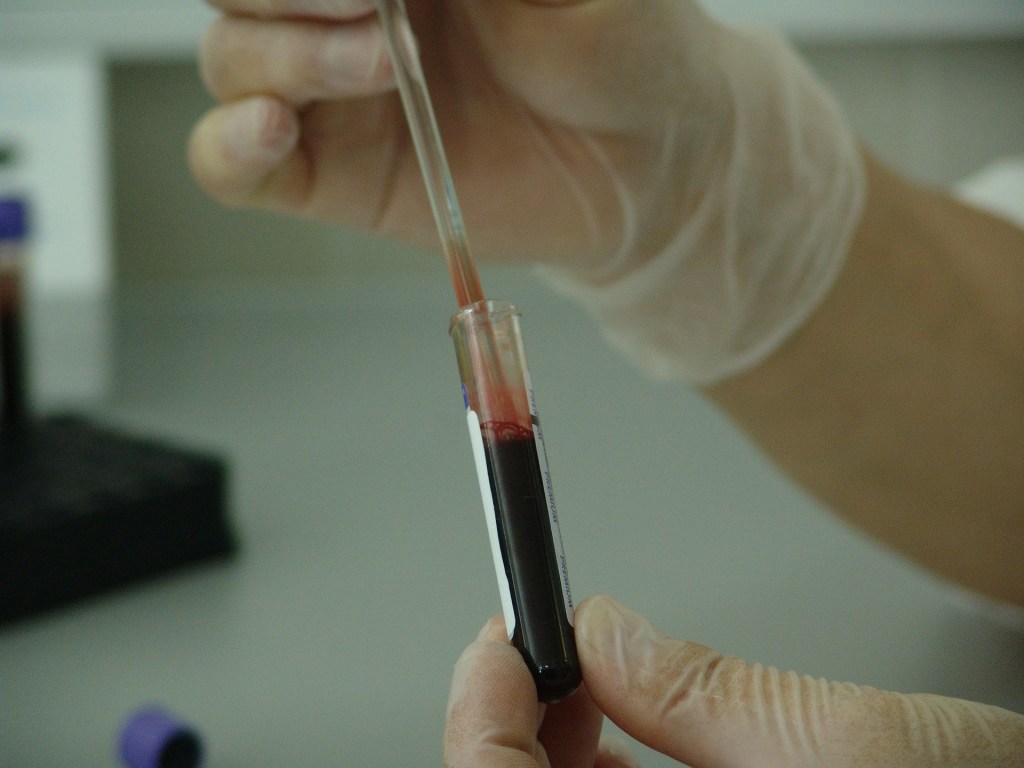
Previous research on SARS-CoV has led to fundamental considerations for understanding the unique pathogenesis and immune response for SARS-CoV-2. It is known that the production of IgM and IgG in response to the recognition of antigenic peptides plays a crucial role in the humoral response to infection. There is also evidence to suggest that IgM antibody production begins after several days of infection, while IgG production is initiated later in the disease course, which is consistent with our knowledge of antibody production as observed in the immune response to other infectious diseases. The presence of both antibodies in the blood plasma of Covid-19 patients may be indicative of a recent infection and while it is important to ensure that this individual enters a period of complete convalescence, research suggests that their plasma may be useful for treating infected individuals.
In theory, transferring antibodies in convalescent plasma to infected individuals would enhance the immune response against virally infected cells. In early trials of this treatment method for patients with acutely severe infections, results have been considered “favorable”, according to an article on the pathogenesis of Covid-19. Despite these findings, there is still much to be learned about the immune response to this virus in order to develop an effective treatment. This virus behaves in ways that are more complex than we are currently able to comprehend. However, I hopeful for the day that it’s unique characteristics are better understood and we can put an end to THE end.
For as long as I can remember, I’ve always heard about the threat of HIV. “Safe sex” and abstinence are preached in various settings in attempt to educate people on the necessity of protecting yourself and others from the potentially fatal virus. Yet, to this day, I am still astonished by the number of people impacted annually by the devastating effects of this disease. The increasing demand for a cure has led to extensive investigations on the virus’ complex behavior, continually challenging doctors and researchers to explore the unknown. However, as time goes on, it becomes clear that this disease is costing us lives and the cure for this disease is even more costly.
In the last several decades, research efforts have led to the development of combination antiretroviral therapy (cART), which has slowed down the progression of this disease to a great extent. However, even after therapy is administered, the virus can remain latent in CD4 infected T cells and it is here that the current issue lies. According to an article exploring novel strategies for HIV eradication, a unique approach to eliminating the viral reservoir involving the use of chimeric antigen receptors (CAR) to recognize specific antigens and kill virally infected cells seems promising. IL-12 is said to be released in conjunction with CAR expression thereby enhancing T cell activation and the innate immune response to eliminate the infection. As described by the article, T cells would theoretically be removed from an HIV patient and transduced with CAR genes to enhance the immune response. Following transduction, the T cells would then be reinfused into the patient to initiate a more effective immune response for eliminating virally infected cells.
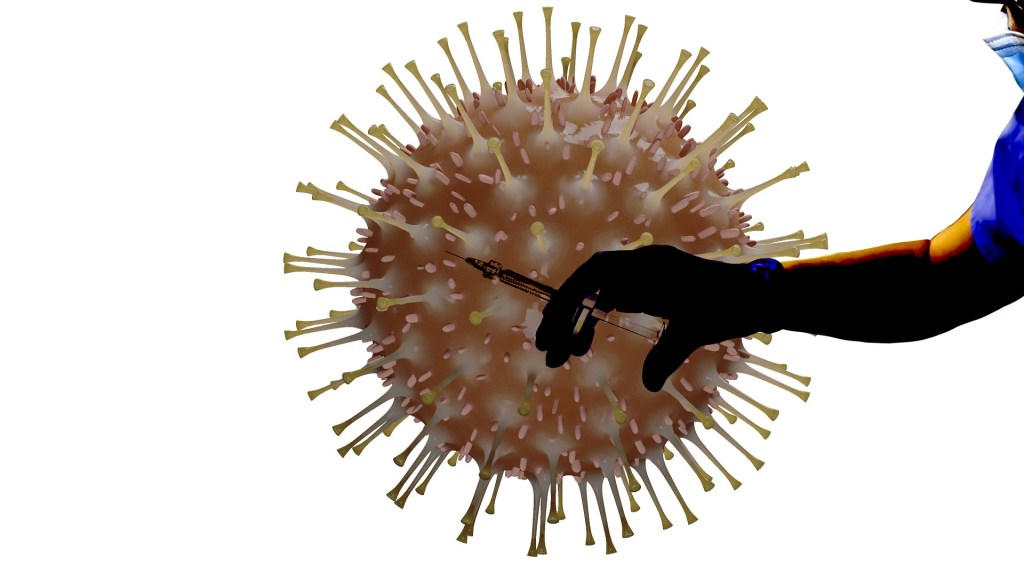
While this approach to personalized medicine may sound much more feasible than long term compliance with cART therapy, there are limitations to this strategy that must be considered. One of the most significant influences to developing and administering therapy for chronically ill patients is the cost. One source indicates that the cost of CAR T cell therapy is approximately $373,000. This amount may be quite a bit for the average person, especially when there is evidence to suggest that the development of cART therapy has advanced enough to enable patients to live normal lives. This article also suggests that CAR T cells being transferred during therapy run the risk of being infected. This risk presents patients with a challenging decision to be made with careful consideration; A decision that I am not sure I would have the courage to make. Chronically ill patients facing these difficult decisions are often choosing between life and death. Fortunately however, advancements in research efforts to find the cure for HIV are enabling these patients to live longer, more fulfilling lives, which is priceless.
If you had asked me at the beginning of my senior year how I thought it was going to end, I can assure you that I never would have projected it ending like this. As a I reflect back on my senior year, I was able to make some of the best memories of my life. However, to this day, I am not able to understand how you can experience some of the highest highs and then suddenly the lowest of lows, all in seven short months. It is something that I am not sure I will ever understand. Yet, I find that the more I ponder on this idea, the more outraged I become by the people that are choosing to be defiant at the expense of others’ livelihood.
I feel as if we get so caught up in the hustle and bustle of life that peace, quiet, unity, and stillness, seem so far removed from normal now-a-days… Perhaps this is why so many people can’t seem to stay home. Often, I hear statements like “I wish I didn’t have to go to work today” or “I hope my professor cancels class” and now that those statements have become a reality for many people, it is more difficult now than ever to get people to stay put and be still. I hate to admit that under normal circumstances, I would be THAT person also, but I understand that it is not worth putting other’s lives at risk. I have tried to take this time to be grateful for the opportunity to spend more time with my loved ones. Whether it’s having a conversation over the phone or physically being in their presence at home, this quality time with family is hard to come by when the demands of normal, everyday life take precedence. And whether people realize it or not, it may be time that we do not get back, so we might as well make the most of it while we can.

Although uncertainty is looming over our heads, I am trying to remain hopeful for brighter days. We may not know when the curve will flatten, when there will be a vaccine or treatment, when we can go back to work, or when we can engage in leisurely activities again, but we do know that these days will pass and change will soon come. Until then, we can only hope that people will begin to realize the severity of the situation that we are currently facing and take the appropriate steps to eliminate the problem as opposed to being part of the problem. As a student in this course, I feel it is my responsibility to educate my friends and family on what I do know about this issue and encourage them to do what is right, no matter how difficult it may be. Although staying home is not ideal, it is the only way that we can prevent the problem from escalating even more at this point and that is just a reality that we all have to accept.
It is no secret that the number of individuals that suffer from sexually transmitted infections is astronomically high. The prevalence of these diseases is increasing on an annual basis and according to the CDC, majority of the population impacted is between the ages of 15 and 24 years old. STI’s are not only a physical burden, but also a significant financial burden as well. Healthy People 2020 suggests that roughly $20 billion dollars is spent annually to cover the cost of healthcare for infected individuals. Despite the overwhelming impact that these organisms have on our communities, several factors that contribute to disease development should be evaluated in order to ensure appropriate measures are being taken to preserve public health.
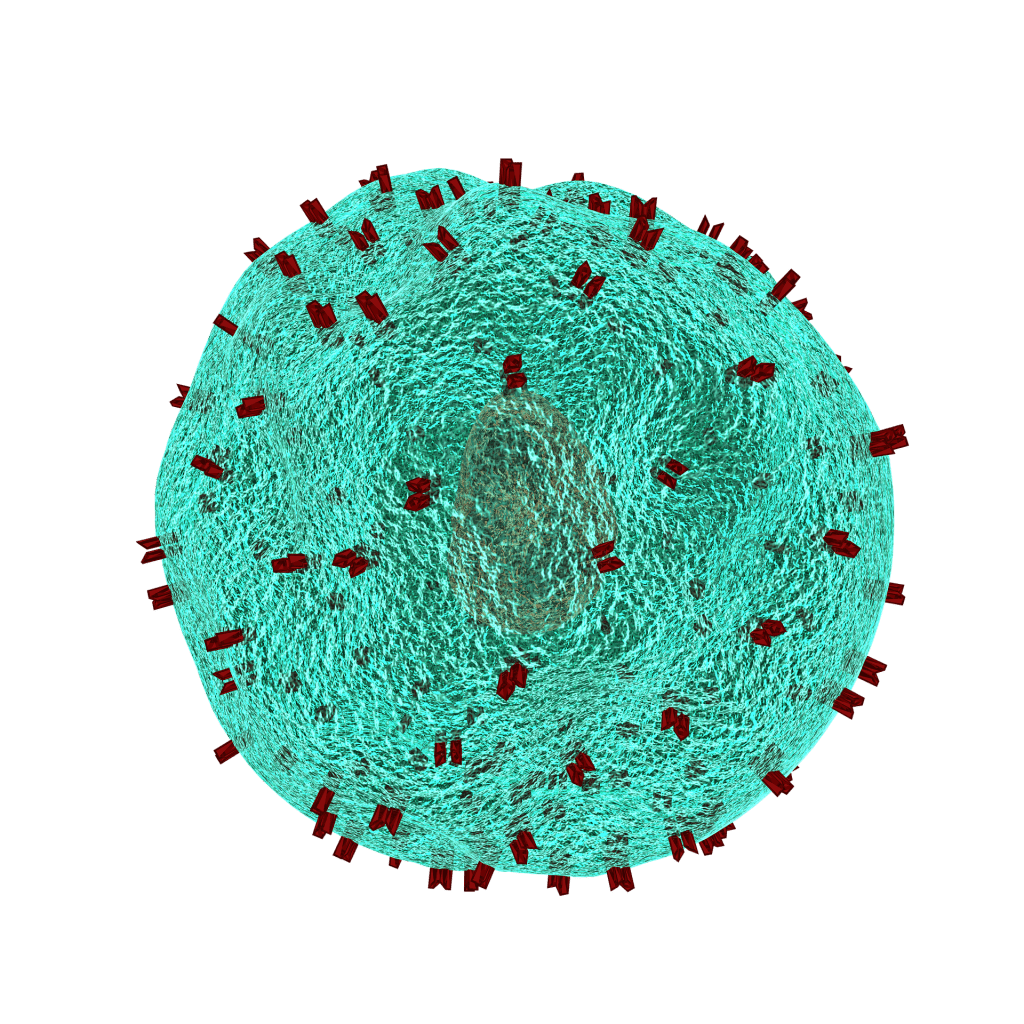
A few biological factors that should be examined in preventing the spread of disease are age, gender, and the nature of the disease course. As previously stated, adolescents and young adults are disproportionately affected by STI’s than other members of the population. In my opinion, this evidence may suggest that this age group has a general lack of knowledge or awareness of STI transmission and its impact on individual health. Considering the implementation of STI education in health and wellness courses in some middle and high schools, public health officials and educators may have had a similar line of thought… Introducing the idea of diseases that can be transmitted sexually at an earlier age may encourage adolescents and young adults to make wiser decisions. However, as someone that endured many lessons on sexually transmitted infections in middle and high school, I find it interesting that the nature of each disease course was rarely discussed. Many educators failed to address the fact that some individuals may have the disease and not present symptoms, but are still capable of transmitting the disease to someone else. While this material may seem difficult to digest or rather heavy for individuals of this age group to understand, this information is arguably one of the most important concepts to understand in order to protect ourselves against disease acquisition.

In addition to the biological factors, I believe it is necessary to consider the socioeconomic implications of these diseases that puts marginalized groups of people more at risk for developing infection. People that are not as financially stable and lack access to healthcare are much more disadvantaged than people that exhibit financial wellness and have accessibility to healthcare. Healthy People 2020 suggests that individuals that are categorized as more at risk are more likely to engage in “high risk sexual behavior”. These individuals are also less likely to have access to preventive care, resources for early detection, various treatment options, and follow-up care. Fortunately, numerous measures have been taken to alleviate disparities between marginalized groups of people, particularly in education systems such as grade school and college campuses where resources are more likely to be provided at no cost to the individual.
This public health issue is not just an issue for marginalized groups or young adults to deal with. It is the collective responsibility of the individual, parents, educators, and public health officials to continue to make strides toward reducing the number of sexually transmitted infections that occur each year.
Since the very first discovery of Penicillin by Alexander Fleming, antibiotic resistance has posed a threat to the human infested world of germs. And yes, I said human infested quite simply because humans are inevitably outnumbered and unfortunately, have been outsmarted by the tiny army of invaders that is responsible for the tragic loss of human life. Not only are these organisms causing human illness, but they are discovering ways to become resistant to antibiotics at a much faster pace than humans can discover new ways to fight back, which presents us with a worldwide dilemma. Yet, the urgent demand to address antibiotic resistance as a serious threat to human lives is not being met. So, what happens now?
The threat of antibiotic resistance is evident in all aspects of our lives from the food we eat, to the water we drink, to the people that we are surrounded by on a daily basis. One of the many sources of antibiotic resistance stems from the beef that is consumed from fast food restaurants in America and it is no secret that many Americans eat fast food pretty regularly. Policy implementation to regulate the use of antibiotics in livestock prepared in fast food restaurants has become increasingly important for ensuring that antibiotics are used appropriately to decrease microbial resistance. According to the Chain Reaction V Beef Scorecard, Chipotle and Panera Bread are among the leading scorers for their approach and compliance with appropriate antibiotic use in the livestock they incorporate in their meals. Surprisingly, McDonald’s and Subway were tied for third place with a grade C rating above other chain restaurants such as Olive Garden, Buffalo Wild Wings, and IHOP who all received a grade F among 12 other chains. These ratings emphasize the growing responsibility of major chain restaurants to stop selling meat produced with antibiotics in order to prevent the spread of resistant bacteria among humans and thus, combat antibiotic resistance.

However, resistance resulting from antibiotic overuse in livestock is not the only reason for this dilemma. In fact, some resistant bacteria that were categorized as urgent threats to human health, such as Clostridioides difficile and Carbapenem-resistant Enterobacteriaceae according to the CDC‘s Antibiotic Resistance Threat Report (2019), arose from inappropriate use of antibiotics to treat human illness. These organisms are of particular concern for individuals that undergo hospitalization and contribute most significantly to the high mortality rates observed among people that acquire illnesses due to antibiotic resistant bacteria. I have always had a difficult time grappling with hospital acquired illnesses. You would like to think that you are safe from the threat of resistant organisms in the very place designed to treat illness and injury. Yet, these facilities are among the most common places to acquire life-threatening infections. Another resistant organism that has become an emerging threat to hospitalized patients according to the CDC is Candida auris. Most cases occurring in the US thus far have been localized to major cities where people are highly concentrated, such as Chicago and New York and fortunately, most of the US remains unaffected as of December 2019. However, who’s to say that your state won’t be next? You can never be too sure.
With that said, I believe it is currently our collective responsibility to educate ourselves and those around us in order to combat antibiotic resistance in this day and age. We must take responsibility for making sure that we understand what antibiotics do and how they should be used appropriately before putting ourselves in a situation to be at risk for developing a life threating infection. We must reconsider the “it won’t happen to me” attitude and reclaim our rightful position as the victors in this pathogen-infested world.
Of all the infectious diseases that affect humans, it is crazy to think that only one has been eradicated. Even with the development of new vaccines, in the fight against human pathogens, the pathogens are definitely winning. As a result, global initiatives aimed at eradicating infectious disease, such as Poliomyelitis, have been developed. In order for these initiatives to be most effective, I believe it is necessary to consider factors that may complicate the eradication of disease. Might it be the lack of prevention against poliomyelitis that inhibits herd immunity? Might it be the evolution of the poliovirus that challenges scientists to create new, more effective vaccines that protect against the development of poliomyelitis? One thing that is for certain is that we must improve our efforts to target populations that are specifically at risk in order to win the fight against pathogenic organisms.
Just this year alone, a report from the Global Eradication Initiative indicates that 12 wildtype cases have been confirmed and 6 vaccine-derived cases have been confirmed globally. Majority of these cases were confirmed in countries where poliomyelitis is endemic, which I presume to be a reasonable expectation. Upon further investigation, all 12 wildtype cases and half of the vaccine-derived cases were reported to be in Pakistan. Vaccination initiatives targeting this specific population have increased the number of children that are vaccinated against poliomyelitis in Pakistan and reports suggest that vaccine use is more widely accepted as a form of prevention in this country than in previous years. Generally speaking however, there has been a greater number of wild type cases confirmed already this year, in comparison to last year. This leads me to believe that a shift in the declining trend of observed poliomyelitis cases will be observed this year, potentially posing a threat to unvaccinated individuals and slowing down the progress made toward eradication.
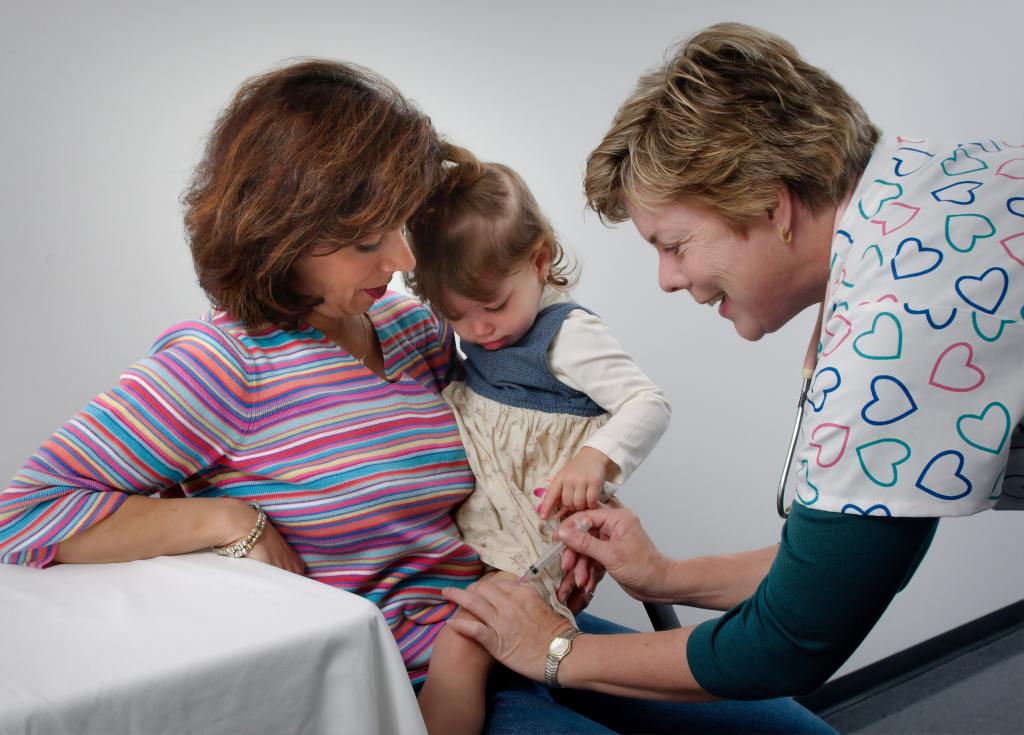
As long as Poliovirus has susceptible hosts, the disease will remain a threat to society, which is why vaccination efforts have strengthened within the last year. Thanks to Salk and Sabin, the inactivated polio vaccine (IPV) and the oral polio vaccine (OPV) have contributed to the overall decline in Polio cases since the vaccine was first developed. We now know that these vaccines allow the body to develop an immune response to all three strains of the virus to protect against infection if the pathogen were to enter a susceptible host. In December 2019, The National Immunization Days Campaign vaccinated children in Pakistan with the oral polio vaccine to prevent the development of the infection. As the Global Health Policy indicates, this vaccine is much more feasible and affordable, in comparison to the IPV. However, the populations that are in high demand for such vaccines are sometimes difficult to access due to conflict, geographic or social barriers, and differing ways of life. Despite the initiatives in place to contribute to the eradication of this disease, the U.S Government requested less funding to support global programs aimed at eradicating Polio in the current year, compared to the last four years. This news is quite alarming given the progress made in recent years and arouses the concern for potential increases in incidence, not just in Pakistan, but also in countries that were previously unaffected.
So, what do we do now? Everyone has a role to play in the eradication of disease. Whether it’s supporting funding for global initiatives, protecting yourself against infection, or informing your friends and family of the potential threat that infectious pathogens pose to humans… your contribution is important. Choose your role in the fight against infectious disease and choose wisely.
The rise in mental health awareness within the last decade has prompted conversation about how to improve treatment options for patients that suffer from various mental health disorders. Interestingly enough, current research suggests that the intestinal microbiome may play a significant role in the development of major depressive disorder. These consequential findings are critical for inspiring innovative approaches to healthcare and could be essential for revolutionizing the lives of people seeking treatment for mental illness in a new era of medicine.
One illness, in particular, that has been found to be associated with the condition of the intestinal microbiome is major depressive disorder. According to a journal article provided by Wiley online, the interaction between gut microbiota and dysfunctional intestinal mitochondria is thought to negatively impact the formation of metabolites and the permeability of the intestines, leading to an increased presence of “bad” bacteria in patients diagnosed with major depressive disorder. Bacteria belonging to the genus Bacteroides were primarily at play in the cellular associations that contribute to signs and symptoms involved in the characterization of major depressive disorder. These findings provide considerable insight into the development of alternative methods to treat mental health disorders that exclude the use of psychoactive medications, which is often observed in today’s society. The experience of side effects resulting from the use of these medications is a common deterrent for people seeking treatment for mental health disorders. However, research efforts aimed at examining the intricacies of cellular functioning in the intestines appears to offer promising transformations in the treatment options available to these patients, which may include the use of probiotics or nutritional advising in the future, as an alternative to psychoactive drugs.

Humans, however, are not the only subjects being studied to shed light on the intricate network of cellular functions that contribute to pathological disorders, such as major depression. The Journal of Applied Sciences includes a study performed on German Shepherds, which reveals similarities in the intestinal microbiome between dogs and humans suffering from depression. The findings discussed in this article suggest that gut bacteria release substances that directly impact neurological functioning, which can contribute to mood and behavioral changes commonly associated with major depressive disorder in humans and dogs. This study also found that bacteria belonging to the genus Bacteroides was present in greater amounts in dogs suffering from depression, which is consistent with the results of the article mentioned above. Not only does this article offer insight that contributes to the complexity of the interactions between the nervous system and the microbiome, but it also provides an interesting perspective on the resemblance of human microbiota in dogs, which should be considered during further investigations on the influence of gut microbiota in the development and treatment of depression.
Coming down with the flu is not something that many people hope for from year to year. Whether your job requires it or your mom perspires over it, getting the flu vaccine is something that should be considered annually. According to the CDC, since the start of the current flu season in October, approximately 31,000,000 individuals have been affected by the flu and anywhere between 12,000 and 30,000 flu related deaths have occurred, as a result. Based on these statistics, to some people, the decision to get vaccinated may seem like a no-brainer. For others however, the decision is a lot more challenging than one might imagine.
The Problem
Generally speaking, an increase in the number of people that tested positive for the flu was observed between September 2019 and January 2020, based on a flu report provided by the CDC. This is not an uncommon trend given that the flu is endemic in the United States in the late fall and early spring seasons. However, the number of people diagnosed with type A flu has grown significantly over time, in comparison to type B. This trend may be attributed to a variety of factors such as declines in vaccination rates in general and antigenic drift. Antigenic drift can negatively impact the effectiveness of the flu vaccine from year to year, which can result in an increase in the number of people that test positive for the infection. This explains why such a large percentage of the population continues to be burdened by the flu each year.

The Solution
According to current reports on antigen characterization, the antigens associated with various strains of type A flu and type B flu that have been diagnosed this season, are very similar to those that were present in this year’s vaccine. This particular vaccine is a cell-based candidate vaccine virus that was recommended by the World Health Organization and is thought to be more protective against type A and type B strains of the flu than vaccines that were previously egg-based. The live-attenuated vaccine, which is a nasal spray recommended by The Advisory Committee on Immunization, was also thought to show promising results this flu season. This may suggest an improved efficacy of this year’s vaccine, compared to last year, when evaluated at the end of this flu season. It is important to note however, that regardless of how effective the vaccine is from year to year, any protection against the flu provided by the antigens present in these vaccines is more effective than no protection at all.
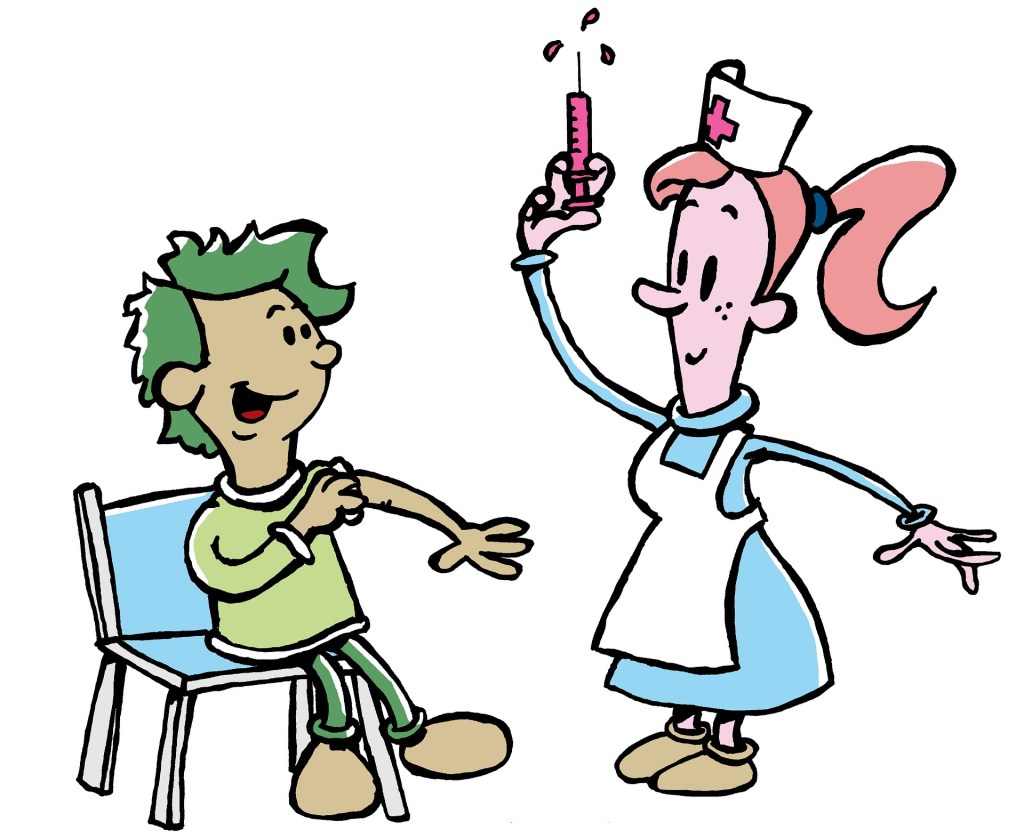
Deciding whether or not to vaccinate your child can be one of the hardest decisions for one to make as a parent. It is for this reason that physicians must understand the critical roles they fulfill as informants and experts in the medical field to aid parents and caregivers in the decision-making process. The case of Dr. Andrew Wakefield, though a rather unfortunate one, has had a profound impact on solidifying the importance of delivering accurate medical knowledge to establish a trusting relationship between parent and provider in the context of healthcare. In his article published in The Lancet, Wakefield asserts that the developmental/behavioral dysfunctions observed in conjunction with the gastrointestinal disorders diagnosed in his specified population may have implications in the presentation of Autism as a result of receiving the MMR vaccine. While subsequent research efforts continuously refute this claim, there is much to be said about the strength of this research design and the ethical nature of this case.
The Claim
As previously suggested, Wakefield’s basis for providing evidence of the potential relationship between Autism and the MMR vaccine lies in a relatively small sample size of 12 pediatric patients, all of whom present with gastrointestinal symptoms and behavioral abnormalities. With that said, the validity of Wakefield’s claims immediately comes into question, given that the sample size is too small to be generalizable to the population at large. The work of other researchers in the field have proven the lack of validity within Wakefield’s research design, as described in a literature review of Immunizations and Autism. In this review, several researchers such as Madsen et al, who concluded that the risk of developing Autism is constant in vaccinated and unvaccinated populations of children, and Kaye et al, who observed an increase in the incidence of Autism despite a constant rate of MMR vaccinations, contributes to the body of literature that refutes Wakefield’s claims. In many of the studies discussed in the review, the populations examined were significantly larger and more diverse than the population studied by Wakefield, which further indicates a lack of strength in Wakefield’s study design. However, not only does this review provide further evidence of the disconnect between Autism and the MMR vaccine, but it also speaks to Wakefield’s motives for publishing his article. This arouses an ethical concern. According to the review, Wakefield was offered financial compensation for assisting the participants initially involved in his study with a lawsuit against vaccine manufacturer’s, which could signify an ulterior motive. Nonetheless, his assertions undoubtedly continue to influence the general public’s perceptions of vaccinations and contribute to the skepticism among many parents in regards to immunization safety.
Global Skepticism
Immunization safety, however, is a global concern that may be contributing to the resurgence of diseases that were once almost eradicated. Given data on the global immunization profile provided by the World Health Organization, it can be determined that a global increase in the number of reported cases of measles, mumps, and rubella has been observed in recent years. This may be due, in part, to the relatively constant vaccination rates observed over the same time period, despite the fact that the global population has grown significantly. By this theory, the number of unvaccinated individuals is continuing to rise, which increases the risk of susceptibility to infection among individuals and thus, the population. A variety of factors must be considered when trying to explain various vaccination patterns worldwide. As suggested by an article that describes several demographics, accessibility and affordability are critical factors to assess when trying to improve vaccination rates worldwide. However, as previously mentioned, the level of trust that caregivers have in their providers is also playing a critical role in the observed pattern of behaviors internationally. The article also suggests that countries that have lower levels of trust in their provider also have higher reported rates of strongly disagreeing with the idea that vaccines are effective.
The Solution
It has become clear that finding a solution to stabilize the trends in high vaccination rates against deadly diseases worldwide is a necessity. This stability must start with healthcare professionals who are responsible for disseminating accurate knowledge about vaccines to the general public in order to ensure an effective approach is being taken to eradicate disease. This stability continues with the support of the individuals in the population to protect not just themselves and their children, but the lives of those around them as well.
 Marvelous Microogranisms