Since the very first discovery of Penicillin by Alexander Fleming, antibiotic resistance has posed a threat to the human infested world of germs. And yes, I said human infested quite simply because humans are inevitably outnumbered and unfortunately, have been outsmarted by the tiny army of invaders that is responsible for the tragic loss of human life. Not only are these organisms causing human illness, but they are discovering ways to become resistant to antibiotics at a much faster pace than humans can discover new ways to fight back, which presents us with a worldwide dilemma. Yet, the urgent demand to address antibiotic resistance as a serious threat to human lives is not being met. So, what happens now?

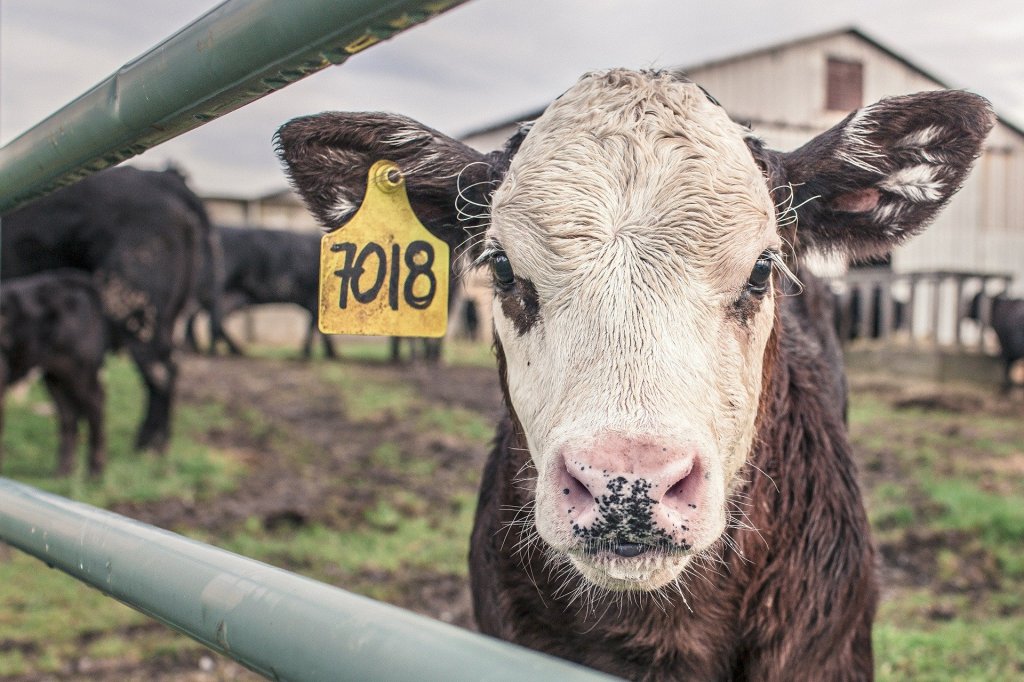
The threat of antibiotic resistance is evident in all aspects of our lives from the food we eat, to the water we drink, to the people that we are surrounded by on a daily basis. One of the many sources of antibiotic resistance stems from the beef that is consumed from fast food restaurants in America and it is no secret that many Americans eat fast food pretty regularly. Policy implementation to regulate the use of antibiotics in livestock prepared in fast food restaurants has become increasingly important for ensuring that antibiotics are used appropriately to decrease microbial resistance. According to the Chain Reaction V Beef Scorecard, Chipotle and Panera Bread are among the leading scorers for their approach and compliance with appropriate antibiotic use in the livestock they incorporate in their meals. Surprisingly, McDonald’s and Subway were tied for third place with a grade C rating above other chain restaurants such as Olive Garden, Buffalo Wild Wings, and IHOP who all received a grade F among 12 other chains. These ratings emphasize the growing responsibility of major chain restaurants to stop selling meat produced with antibiotics in order to prevent the spread of resistant bacteria among humans and thus, combat antibiotic resistance.
However, resistance resulting from antibiotic overuse in livestock is not the only reason for this dilemma. In fact, some resistant bacteria that were categorized as urgent threats to human health, such as Clostridioides difficile and Carbapenem-resistant Enterobacteriaceae according to the CDC‘s Antibiotic Resistance Threat Report (2019), arose from inappropriate use of antibiotics to treat human illness. These organisms are of particular concern for individuals that undergo hospitalization and contribute most significantly to the high mortality rates observed among people that acquire illnesses due to antibiotic resistant bacteria. I have always had a difficult time grappling with hospital acquired illnesses. You would like to think that you are safe from the threat of resistant organisms in the very place designed to treat illness and injury. Yet, these facilities are among the most common places to acquire life-threatening infections. Another resistant organism that has become an emerging threat to hospitalized patients according to the CDC is Candida auris. Most cases occurring in the US thus far have been localized to major cities where people are highly concentrated, such as Chicago and New York and fortunately, most of the US remains unaffected as of December 2019. However, who’s to say that your state won’t be next? You can never be too sure.
With that said, I believe it is currently our collective responsibility to educate ourselves and those around us in order to combat antibiotic resistance in this day and age. We must take responsibility for making sure that we understand what antibiotics do and how they should be used appropriately before putting ourselves in a situation to be at risk for developing a life threating infection. We must reconsider the “it won’t happen to me” attitude and reclaim our rightful position as the victors in this pathogen-infested world.

 Marvelous Microogranisms