Go.
Of all the infectious diseases that affect humans, it is crazy to think that only one has been eradicated. Even with the development of new vaccines, in the fight against human pathogens, the pathogens are definitely winning. As a result, global initiatives aimed at eradicating infectious disease, such as Poliomyelitis, have been developed. In order for these initiatives to be most effective, I believe it is necessary to consider factors that may complicate the eradication of disease. Might it be the lack of prevention against poliomyelitis that inhibits herd immunity? Might it be the evolution of the poliovirus that challenges scientists to create new, more effective vaccines that protect against the development of poliomyelitis? One thing that is for certain is that we must improve our efforts to target populations that are specifically at risk in order to win the fight against pathogenic organisms.
Fight.
Just this year alone, a report from the Global Eradication Initiative indicates that 12 wildtype cases have been confirmed and 6 vaccine-derived cases have been confirmed globally. Majority of these cases were confirmed in countries where poliomyelitis is endemic, which I presume to be a reasonable expectation. Upon further investigation, all 12 wildtype cases and half of the vaccine-derived cases were reported to be in Pakistan. Vaccination initiatives targeting this specific population have increased the number of children that are vaccinated against poliomyelitis in Pakistan and reports suggest that vaccine use is more widely accepted as a form of prevention in this country than in previous years. Generally speaking however, there has been a greater number of wild type cases confirmed already this year, in comparison to last year. This leads me to believe that a shift in the declining trend of observed poliomyelitis cases will be observed this year, potentially posing a threat to unvaccinated individuals and slowing down the progress made toward eradication.
Win.
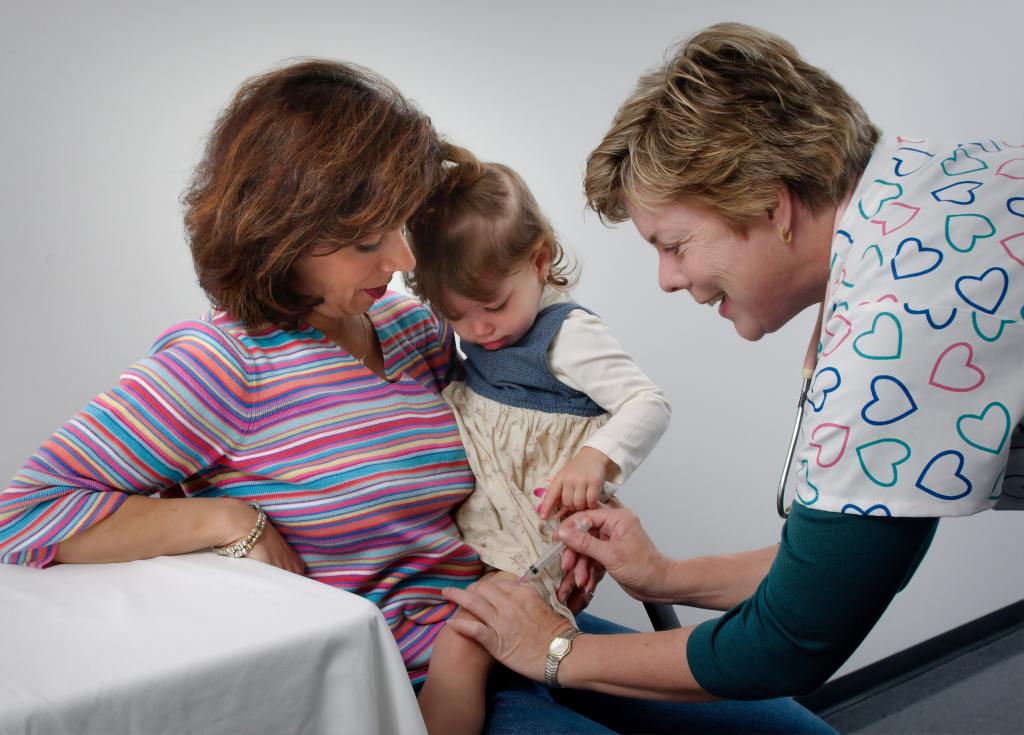
As long as Poliovirus has susceptible hosts, the disease will remain a threat to society, which is why vaccination efforts have strengthened within the last year. Thanks to Salk and Sabin, the inactivated polio vaccine (IPV) and the oral polio vaccine (OPV) have contributed to the overall decline in Polio cases since the vaccine was first developed. We now know that these vaccines allow the body to develop an immune response to all three strains of the virus to protect against infection if the pathogen were to enter a susceptible host. In December 2019, The National Immunization Days Campaign vaccinated children in Pakistan with the oral polio vaccine to prevent the development of the infection. As the Global Health Policy indicates, this vaccine is much more feasible and affordable, in comparison to the IPV. However, the populations that are in high demand for such vaccines are sometimes difficult to access due to conflict, geographic or social barriers, and differing ways of life. Despite the initiatives in place to contribute to the eradication of this disease, the U.S Government requested less funding to support global programs aimed at eradicating Polio in the current year, compared to the last four years. This news is quite alarming given the progress made in recent years and arouses the concern for potential increases in incidence, not just in Pakistan, but also in countries that were previously unaffected.
So, what do we do now? Everyone has a role to play in the eradication of disease. Whether it’s supporting funding for global initiatives, protecting yourself against infection, or informing your friends and family of the potential threat that infectious pathogens pose to humans… your contribution is important. Choose your role in the fight against infectious disease and choose wisely.

 Marvelous Microogranisms