The Covid-19 pandemic has brought an end to many school year’s, many sporting events, many travel plans, many leisurely activities, and even more lives. In recent months, researchers and health professionals have had the overwhelming task of discovering an end to THE end; an end that would restore some sort of normalcy in daily life. While there have been several plausible solutions proposed to treat infected patients, the escalating threat to healthy individuals as we await the development of a vaccine has placed an increasing demand on the development of a reliable curative treatment. Recent research efforts that have investigated the antibody response to Covid-19 have been a source of optimism for some as the possibility of using convalescent plasma to treat infected patients is being examined by the FDA. The examination of this treatment method could have significant implications in regards to future disease progression and the overall epidemiological impact of this virus on a global scale.
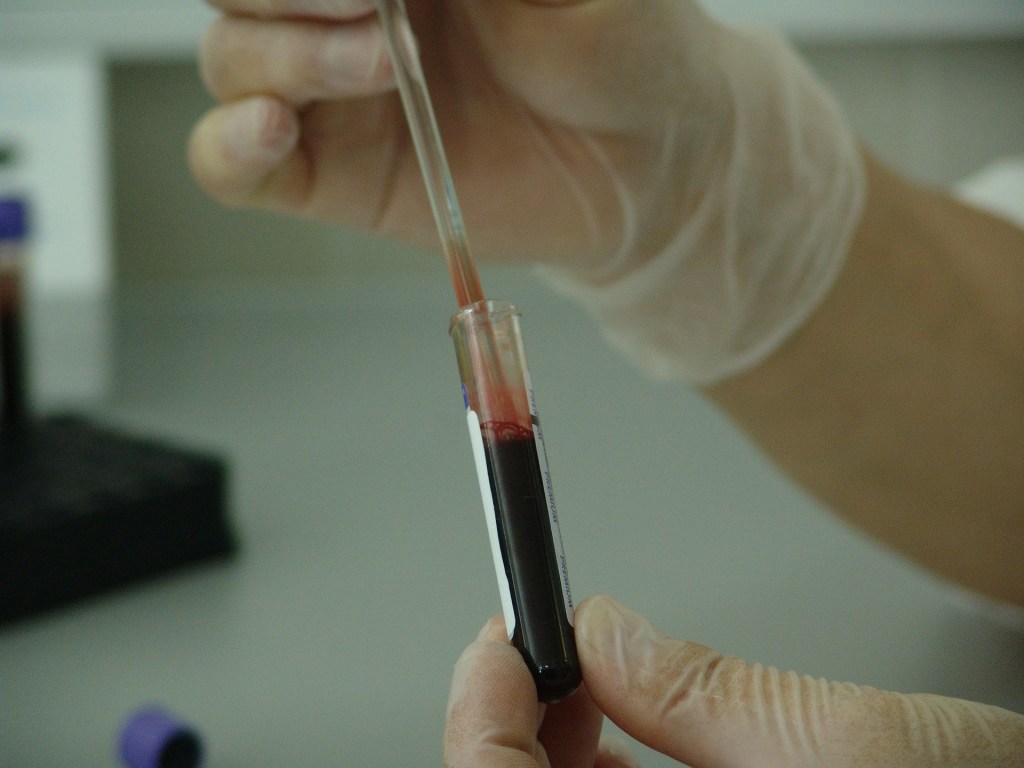
Previous research on SARS-CoV has led to fundamental considerations for understanding the unique pathogenesis and immune response for SARS-CoV-2. It is known that the production of IgM and IgG in response to the recognition of antigenic peptides plays a crucial role in the humoral response to infection. There is also evidence to suggest that IgM antibody production begins after several days of infection, while IgG production is initiated later in the disease course, which is consistent with our knowledge of antibody production as observed in the immune response to other infectious diseases. The presence of both antibodies in the blood plasma of Covid-19 patients may be indicative of a recent infection and while it is important to ensure that this individual enters a period of complete convalescence, research suggests that their plasma may be useful for treating infected individuals.
In theory, transferring antibodies in convalescent plasma to infected individuals would enhance the immune response against virally infected cells. In early trials of this treatment method for patients with acutely severe infections, results have been considered “favorable”, according to an article on the pathogenesis of Covid-19. Despite these findings, there is still much to be learned about the immune response to this virus in order to develop an effective treatment. This virus behaves in ways that are more complex than we are currently able to comprehend. However, I hopeful for the day that it’s unique characteristics are better understood and we can put an end to THE end.

 Marvelous Microogranisms